Every morning, lakhs of Indians check the gold rate the way they check the weather. 24-carat, 22-carat, today vs yesterday. Then they walk into a shop, or open an app, and buy.
Here's the twist nobody puts on the price board: the rate you see is almost never the rate you pay.By the time making charges, GST and — years later — tax are done with it, two people who bought "the same gold" on the same day can walk away with very different amounts of actual metal. So the real question isn't what's the price today. It's which form of gold you should buy at all. There are five. They are not even close to equal.
The five ways to own gold — at a glance
You can hold gold as jewellery, as coins or bars, as digital gold on an app, as a Gold ETF, or as a gold fund. (Sovereign Gold Bonds were a sixth — more on why they're effectively gone below.) Here's the whole landscape in one look:
| Form | What it really costs | Best for |
|---|---|---|
| Physical (jewellery) | 8–25% making charges + 3% GST + 5% GST on the charges | Wearing it. As an investment, the worst form. |
| Physical (coins / bars) | ~2–8% premium + 3% GST | A gift or a keepsake you want in hand. |
| Digital gold | ~3% GST + a 2–6% buy/sell spread; storage fee after 5 years | Tiny amounts (from ₹100) and beginners — small sums only. |
| Gold ETF | ~0.5–1% expense ratio a year; needs a demat account | Pure investment. The cleanest, cheapest, most liquid. |
| Gold fund / FoF | Slightly higher cost than the ETF it holds; no demat needed | A monthly SIP into gold without a demat account. |
Notice the pattern: the form you can wearis the most expensive to own, and the form that's purely an investmentis the cheapest. That tension is the whole game. Let's prove it with real numbers.
The hidden cost nobody adds up
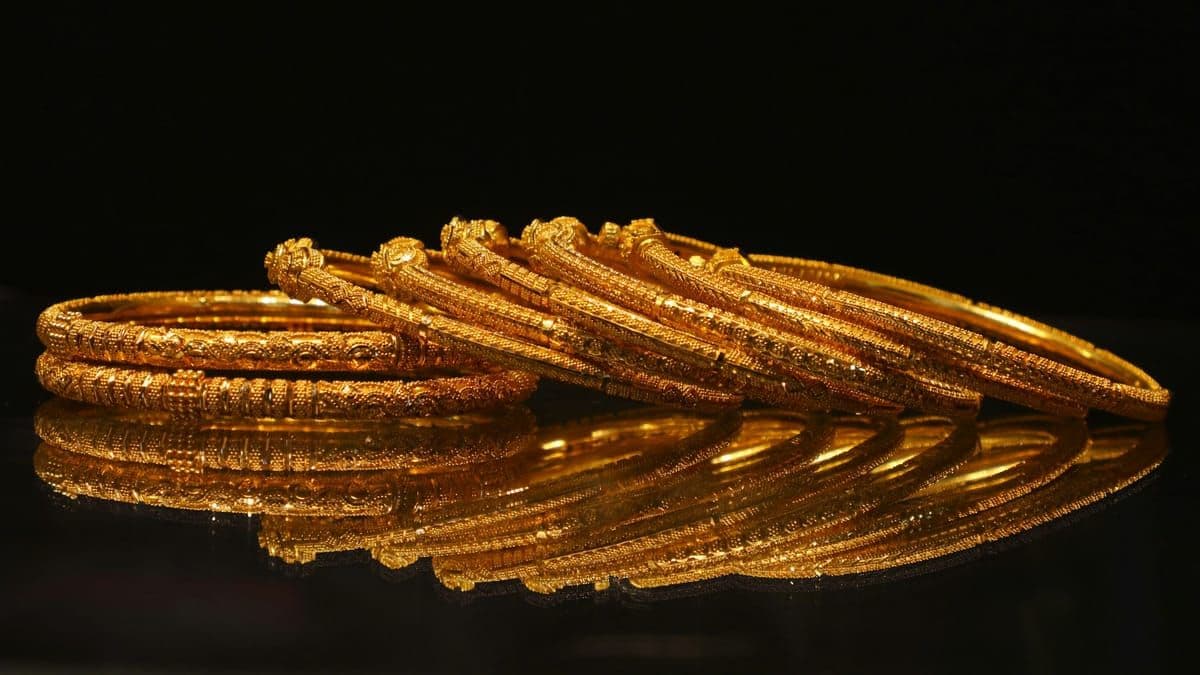
Say you buy a 10-gram, 22-carat gold chain. Suppose 22K gold is ₹6,500 a gram, so the metal is worth ₹65,000. The bill won't stop there:
- Making charges at 14% of the gold value — ₹9,100.
- 3% GST on the ₹65,000 of gold — ₹1,950.
- 5% GST on the ₹9,100 of making charges — ₹455.
You pay ₹76,505. But the gold in your hand is worth ₹65,000. The other ₹11,505 — the making charges and GST — is gone the moment you step out, before the gold price moves a single rupee. Sell it next year and most jewellers pay you for the metal only, not the craftsmanship. On an ornate, heavier design where making charges hit 25%, that lost slice climbs toward 28% of what you paid.
₹11,505 gone
Making charges + GST on a ₹76,505 gold-chain purchase — lost the instant you leave the shop, before prices move at all.
Coins and bars are gentler — a 2–8% premium and the 3% GST, with no heavy making charge — which is why, if your goal is to own gold rather than wear it, physical jewellery is the one form to avoid.
What you'll actually pay in tax
The 2024 overhaul rewrote gold tax, and most older guides still get it wrong. The rate is now a clean flat 12.5% on long-term gains, with no indexation. The catch is the holding period — it differs by form, and that difference quietly decides your bill:
| Form | Short-term (slab rate) | Long-term kicks in | Long-term rate |
|---|---|---|---|
| Physical gold | ≤ 24 months | Above 24 months | 12.5% (no indexation) |
| Digital gold | ≤ 24 months | Above 24 months | 12.5% (no indexation) |
| Gold ETF | ≤ 12 months | Above 12 months | 12.5% (no indexation) |
| Gold fund / FoF | ≤ 24 months | Above 24 months | 12.5% (no indexation) |
Read that table twice, because it hides the single most useful fact in this guide: a Gold ETF becomes long-term in 12 months, but a Gold fund/FoF takes 24 — even though both just track the gold price and both are taxed at 12.5% once long-term. Sell after, say, 18 months and the ETF gain is taxed at 12.5% while the identical fund gain is added to your income at slab rate (up to 30%). Same gold, very different tax, purely because of the wrapper you chose.
Same gold, different wrapper, different tax bill. The ETF reaches long-term in half the time the fund does.
Wait — what happened to Sovereign Gold Bonds?
If you've read older "best way to buy gold" lists, they all crown the Sovereign Gold Bond (SGB), and for good reason: it paid 2.5% interest a year on top of the gold price, and if you held it to its 8-year maturity, the capital gain was completely tax-free. Nothing else on this page comes close.
The problem: the government stopped issuing new SGBs in 2024 — it turned out to be an expensive way for it to borrow as gold prices soared — and there's no fresh issue scheduled. You can still buy older SGBs on the stock exchange from people selling early, but they often trade at a premiumto the gold price, and the headline tax-free perk applies cleanly to bonds bought at issue. Treat SGBs as a "buy only if you find genuine value on the exchange" option, not the default it used to be.
So which should you buy?
Forget the "best gold" framing — it depends entirely on whyyou're buying. Here's my honest read, by goal:
- Buying to wear (wedding, gift):buy the jewellery, enjoy it — but call it what it is. ~20–28% of the bill is charges and tax, not an investment. Never tell yourself the necklace is "also savings."
- Buying to invest a lump sum: Gold ETF. Lowest cost, fully liquid, and long-term tax in 12 months. This is the default smart choice.
- Buying a little every month: a Gold fund / FoF via SIP — no demat needed, automatic. Just remember the 24-month long-term clock.
- Just starting, tiny amounts:digital gold is a fine on-ramp from ₹100 — but graduate to an ETF once you're putting in real money.
Honestly? For most people building wealth, gold is a 5–10% slice of a portfolio, not the main course — and the cheapest, cleanest slice is an ETF or a gold-fund SIP, never a locker full of jewellery you're quietly counting as savings.
Want to see what the boring, low-cost route actually grows into? Run a monthly gold-fund SIP through the calculator — and because short-term gold gains are taxed at your slab, check which tax regime keeps more in your hand before you sell.
GST, holding periods and capital-gains rates are for FY 2025-26 / 2026-27 and based on official sources at the time of writing; gold prices used in examples are illustrative and rules can change. Confirm current rates and your specific case before buying or selling. This is general information, not investment or tax advice.